Taking semaglutide is a great step toward a healthier you, and you should be proud of yourself! This medicine is a very powerful tool. But, you can make it work even better by eating the right foods.
Eating well helps you get the best results and can even stop side effects before they start. This guide will show you the best foods to eat while taking Semaglutide. Our goal is to help you feel full, have more energy, and reach your health goals.
Why Your Diet Matters on Semaglutide
Eating the right foods is like giving your medicine a helping hand. It makes your health journey smoother and easier.
Working With Your Medication, Not Against It
Semaglutide works by making your stomach empty out more slowly. It also helps your brain feel full, so you don't feel as hungry.
When you eat healthy foods, you help this process along. But, if you eat the wrong foods, like greasy or super sugary things, you might feel sick. Choosing the best foods to eat while taking Semaglutide can help you feel great.
The Goals of a Semaglutide-Friendly Diet
When you eat well on semaglutide, you are aiming for a few simple goals.
-
You want to lose fat, but keep your strong muscles.
-
You want to avoid feeling sick to your stomach or getting constipated.
-
You want to have good, steady energy all day long.
-
You want to make sure your body gets all the vitamins and good stuff it needs.
The Core Components of the Best Semaglutide Diet Plan
Creating a semaglutide diet plan is not about being perfect. It’s about choosing smart foods that make you feel good.
1. Lean Protein: Your Most Important Nutrient
Protein is your best friend on this journey. It helps you feel full for a very long time. It also helps your body keep its muscle, which is very important for a healthy metabolism. Eating high-protein semaglutide meals is a great strategy.
Good examples are: Chicken breast, fish, turkey, eggs, Greek yogurt, beans, and tofu.
A great tip is to try to have some protein with every meal you eat.
2. Fiber-Rich Vegetables: For Fullness and Gut Health
Vegetables are full of fiber. Fiber helps you feel full and keeps your tummy working right. This can help prevent constipation, which some people experience.
Good examples are: Broccoli, spinach, cauliflower, bell peppers, and asparagus.
3. Healthy Fats: For Satiety and Reducing Nausea
It might sound strange, but eating a little bit of healthy fat can actually help you feel less nauseous. It also helps you feel satisfied after you eat.
Good examples are: Avocados, nuts like almonds, seeds like chia seeds, and olive oil.
4. Smart Carbohydrates: For Energy
Your body needs carbohydrates for energy. The trick is to choose the right kind. You want carbs that are full of fiber and give you long-lasting energy.
Good examples are: Sweet potatoes, oatmeal, quinoa, beans, and fruits like berries.
Foods to Limit or Avoid While Taking Semaglutide
Just as important as knowing what to eat is knowing what foods to avoid on Ozempic and other semaglutide medicines.
Why Some Foods Cause Problems
Because semaglutide slows down your tummy, some foods can cause trouble. Greasy, fatty, and very sugary foods can sit in your stomach for a long time. This can make you feel bloated, sick, or give you heartburn.
Key Foods to Eat in Moderation
You don't have to be perfect, but it's a good idea to limit these foods.
-
High-Fat and Greasy Foods: Things like french fries, cheeseburgers, and creamy sauces.
-
Sugary Foods and Drinks: Candy, cookies, soda, and sweet tea.
-
Refined Carbohydrates: White bread and sugary breakfast cereals.
-
Alcohol: This can make side effects worse and adds calories without nutrition.
A Note on Making Your Journey Affordable and Accessible
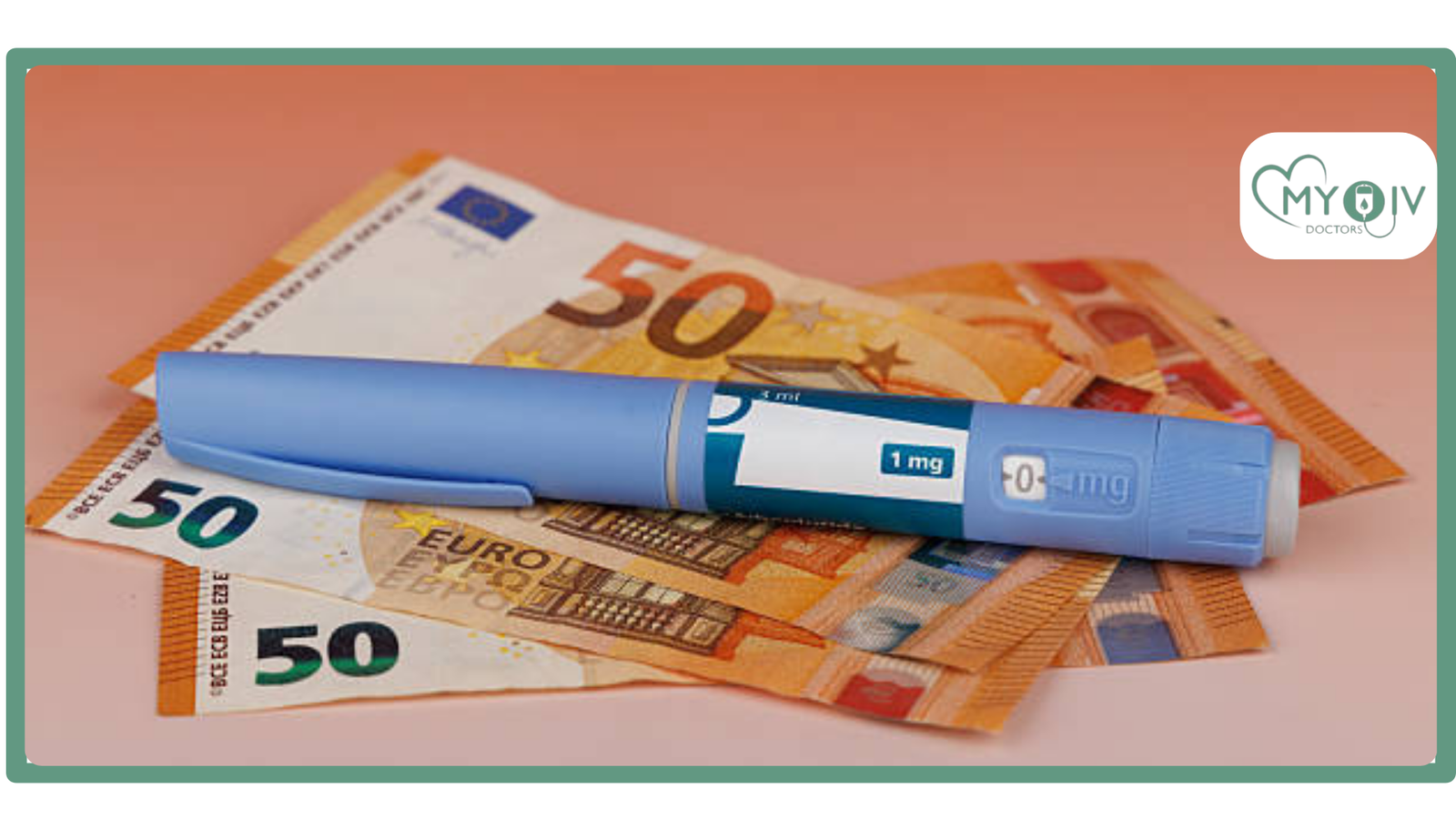
Embarking on a new health path is a big commitment, and we believe it should be manageable. At MY IV Doctors, our medically supervised Semaglutide (Ozempic) program is available for $299/Month. This structured approach ensures you get professional guidance on medication and lifestyle, making your journey both effective and affordable.
Practical Tips for Managing Side Effects With Food
If you do feel a little bit off, changing how you eat can make a big difference.
Managing Nausea With Your Diet
Feeling a little queasy is a common side effect when you start. Managing nausea with food is simple. Try eating five or six very small meals a day instead of three big ones. Also, stick to plain foods like toast, rice, or bananas until you feel better.
Staying Hydrated is Key
Drinking enough water is super important. It helps with digestion and can make you feel less tired. Try to sip water all day long.
Sometimes, if you feel very dehydrated, an IV Therapy session can help you get hydrated and full of nutrients quickly.Putting It All Together: A Sample Day of Eating
This is what a great day of eating could look like. This is just an idea to help you get started!
-
Breakfast: Two scrambled eggs with a handful of spinach.
-
Lunch: A big salad with lots of greens and some grilled chicken on top.
-
Snack: A cup of Greek yogurt with a few fresh berries.
-
Dinner: A piece of baked salmon with a side of roasted broccoli.
Conclusion
As you can see, eating well while on semaglutide is simple. By focusing on lean protein, lots of vegetables, and healthy fats, you are setting yourself up for success. The goal is to build healthy habits that you can stick with for a long time.
By choosing the best foods to eat while taking Semaglutide, you are taking amazing care of your body. You are giving it the fuel it needs to feel great and achieve your health goals. For advice that is perfect for you, it is always a great idea to talk with a healthcare provider, like the team at MY IV Doctors.